
"big fire"
800 article(s) found
History and usage of siphon pot
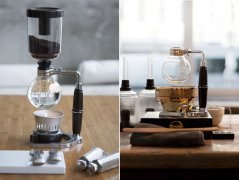
The history and usage of siphon coffee (plug-in brewing method) in 1840, a glass test tube in the laboratory triggered the invention of the siphon coffee maker (Syphon). The British took Biya's test tube for chemical experiments as the model to create the first vacuum coffee pot. Two years later, Mrs. Bachang of France improved this pot with a bit of spring shape, which is familiar to everyone.

Coffee knowledge roasting of coffee
The raw coffee beans are fried to make the coffee beans show a unique coffee color, aroma and taste. The most important thing of frying and baking is to be able to stir-fry the inside and outside of the beans evenly without overscorching. 80% of the taste of coffee depends on roasting, which is the most important and basic condition for making good coffee. The basic principle of ● fried culture the most important thing is to be able to stir-fry the inside and outside of the beans evenly.

The basic principles of coffee roasting
Roast raw coffee beans to give them a unique color, aroma and taste. The most important thing about frying and baking is that the inside and outside of the beans can be evenly fried and not burnt. 80% of coffee taste depends on roasting, which is the most important and basic condition for brewing good coffee.● The basic principle of frying The most important thing is to be able to fry the inside and outside of the beans evenly
Siphon pot basic siphon pot history and use method
In 1840, a glass test tube in the laboratory triggered the invention of the siphon coffee pot (Syphon), and the British took Biya as a prototype for chemical experiments to create the first vacuum coffee pot. Two years later, Mrs. Baxiang of France improved the pot with a little spring shape, and the familiar upper and lower convection siphon pot was born. Siphon coffee pot in France
History and usage of siphon pot siphon coffee
In 1840, a glass test tube in a laboratory triggered the invention of the siphon coffee maker (Syphon). The British took the test tube used in Biya's chemical experiment as a model to create the first vacuum coffee pot. Two years later, Mrs. Bachang of France improved the kettle with a little spring in shape, and the familiar upper and lower convection siphon pot was born. Siphon coffee pot in France
A complete knowledge of siphon pot
The working principle of the siphon pot How does it work: the main principle of Syphon is to use the ideal gas equation: PV=nRT, under a fixed volume, heat the boiling water to make the steam pressure of the boiling water, press the boiling water into the upper layer to brew the coffee through the glass tube, and then cool the lower layer in a similar vacuum state to absorb the brewed coffee from the upper layer, and filter the dregs with a filter in the middle. You can take it while looking at it.
The history and usage of fine coffee siphon pot
In 1840, a glass test tube in a laboratory triggered the invention of siphon coffee (Syphon). The British took the test tube used in Biya's chemical experiment as a model to create the first vacuum coffee pot. Two years later, Mrs. Bachang of France improved the kettle with a little spring in shape, and the familiar upper and lower convection siphon pot was born. Siphon coffee maker in France
The History and usage of Coffee knowledge siphon Pot
In 1840, a glass test tube in a laboratory triggered the invention of siphon coffee (Syphon). The British took the test tube used in Biya's chemical experiment as a model to create the first vacuum coffee pot. Two years later, Mrs. Bachang of France improved the kettle with a little spring in shape, and the familiar upper and lower convection siphon pot was born. Siphon coffee maker in France
Introduction to the history and usage of siphon kettle
In 1840, a glass test tube in a laboratory triggered the invention of siphon coffee (Syphon). The British took the test tube used in Biya's chemical experiment as a model to create the first vacuum coffee pot. Two years later, Mrs. Bachang of France improved the kettle with a little spring in shape, and the familiar upper and lower convection siphon pot was born. Siphon coffee maker in France

Coffee common sense mocha pot brewing is very different from other brewing methods.
First, light: 1. Grind coffee powder to medium thickness 2. The distance from adding cold water to the water level of the lower pot is about 0.2~0.5MM 3. Heat the pot on a gas plate over medium heat until a few medium bubbles rise from the bottom of the pot to the surface of the water. Do not let it boil. While waiting, put the coffee powder into the powder trough, preferably full, gently tap the powder trough with your fingers, and then hold the powder trough flat to make a horizontal circle.

How to judge whether the firepower of siphon coffee is appropriate? Tips on making siphon coffee
Professional coffee knowledge exchange more coffee bean information Please pay attention to the coffee workshop (Wechat official account cafe_style) is obviously pure coffee, as a novice coffee, really do not know the difference between hand-brewed coffee and siphon coffee. Although everyone uses high-quality coffee to brew, but the two methods of handling and flavor are very different. Although the siphon coffee tool is fixed, it is stirred.
The History and usage of Fine Coffee basic knowledge siphon Pot
In 1840, a glass test tube in a laboratory triggered the invention of siphon coffee (Syphon). The British took the test tube used in Biya's chemical experiment as a model to create the first vacuum coffee pot. Two years later, Mrs. Bachang of France improved the kettle with a little spring in shape, and the familiar upper and lower convection siphon pot was born. Siphon coffee maker in France

What kind of coffee is suitable for siphon pot? Brewing process and time Control of siphon Coffee in Syphon
Professional coffee knowledge exchange more coffee bean information please follow the coffee workshop (Wechat official account cafe_style) timeless siphon pot coffee explanation | siphon pot coffee principle and brewing suggestions the last article has told you the tools to prepare for Syphon siphon coffee brewing today Demi invited coffee experts to teach everyone how to make coffee in order to taste good.
The History and usage of siphon Pot General knowledge of Coffee Pot
In 1840, a glass test tube in a laboratory triggered the invention of siphon coffee (Syphon). The British took the test tube used in Biya's chemical experiment as a model to create the first vacuum coffee pot. Two years later, Mrs. Bachang of France improved the kettle with a little spring in shape, and the familiar upper and lower convection siphon pot was born. Siphon coffee maker in France
Boutique Coffee Science about the roasting of coffee
The raw coffee beans are fried to make the coffee beans show a unique coffee color, aroma and taste. The most important thing of frying and baking is to be able to stir-fry the inside and outside of the beans evenly without overscorching. 80% of the taste of coffee depends on roasting, which is the most important and basic condition for making good coffee. The basic principle of ● fried culture the most important thing is to be able to stir-fry the inside and outside of the beans evenly.

A detailed explanation of the history and usage of the siphon kettle
In 1840, a glass test tube in a laboratory triggered the invention of siphon coffee (Syphon). The British took the test tube used in Biya's chemical experiment as a model to create the first vacuum coffee pot. Two years later, Mrs. Bachang of France improved the kettle with a little spring in shape, and the familiar upper and lower convection siphon pot was born. Siphon coffee maker in France
Introduction to Coffee basic knowledge about coffee roasting
The raw coffee beans are fried to make the coffee beans show a unique coffee color, aroma and taste. The most important thing of frying and baking is to be able to stir-fry the inside and outside of the beans evenly without overscorching. 80% of the taste of coffee depends on roasting, which is the most important and basic condition for making good coffee. The basic principle of ● fried culture the most important thing is to be able to stir-fry the inside and outside of the beans evenly.

Coffee roasting knowledge dehydration climbing smoke sliding skills
Recently, a lot of coffee friends ask us some questions about baking skills privately, including: When is dehydration? What's the temperature? Smoke problem? What is the sliding action? Here's a little experience for friends... Hand net hot air heater gas semi-direct fire gas direct fire type in this is also just a simple introduction, please refer to coffee roasting and other related books for details.

The basic principles of roasting and frying of coffee
The raw coffee beans are fried to make the coffee beans show a unique coffee color, aroma and taste. The most important thing of frying and baking is to be able to stir-fry the inside and outside of the beans evenly without overscorching. 80% of the taste of coffee depends on roasting, which is the most important and basic condition for making good coffee. The basic principle of ● fried culture the most important thing is to be able to stir-fry the inside and outside of the beans evenly.

Introduction of coffee roasting knowledge introduction of coffee bean roasting methods introduction of roaster price
As early as the 13th century, the Arabs invented to put coffee beans in a pot, stir-fry them with fire, grind them into powder, and then brew coffee. The early Arabs liked to bake the beans shallowly and boil them with spices such as cardamom. Later, this coffee stir-frying method spread to Syria, Turkey and Egypt, where it was used to stir-fry the coffee black, then grind it into powder and add it.